Why the SPF Character Limit Exists and How Can You Stay Within It?

Quick Answer
As per RFC 7208, all SPF records should not be more than 255 characters long. This includes the characters in the SPF record itself as well as any DNS name expanded within it. If your SPF record exceeds this limit, there will be parsing issues and DNS lookup failures, impeding the email authentication process.

As per RFC 7208, all SPF records should not be more than 255 characters long. This includes the characters in the SPF record itself as well as any DNS name expanded within it. If your SPF record exceeds this limit, there will be parsing issues and DNS lookup failures, impeding the email authentication process. So, it’s advised to have a concise record to ensure proper functioning.
So, let’s see what to do if you exceed the character limit. But first, you should know why this limit even exists.
Why the SPF Character Limit Exists in the First Place?
SPF was developed in the late 1990s and was made public in the early 2000s. The developing team kept a lot of elements in mind while making rules like character limit, lookup limit, etc. The primary reasons that compelled them to establish the character limit were-
Efficiency
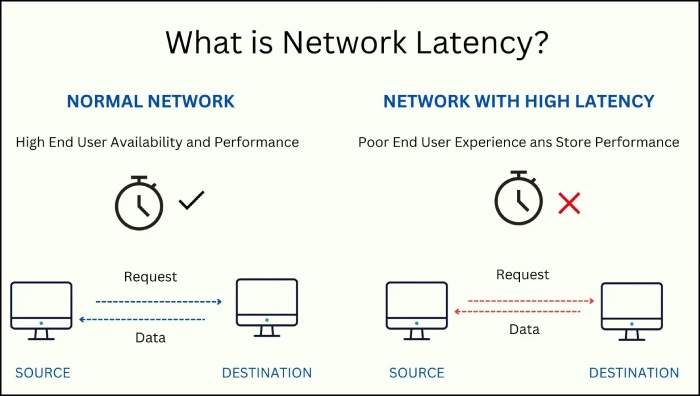
Long and complex SPF records may lead to DNS query overhead, network latency, resource consumption, complexity, and DDoS attacks. Imposing a character limit ensured SPF records remained concise and efficient.
Compatibility
Many DNS implementations and SPF parsers may have limitations on the length of DNS TXT records they can handle. By imposing a character limit, SPF ensures compatibility with a wide range of DNS servers and SPF processing software.
Security
Shorter SPF records are consistent and, hence, less vulnerable to being exploited for attempting email-based menaces — a growing concern as generative AI and phishing tactics become more advanced. Longer records overwhelm DNS servers which becomes a headache in SPF processing.
Clarity
Needless to say, small records have limited mechanisms and modifiers, promoting the clarity and readability of SPF records. This makes it easier to understand and maintain them.
DNS Protocol Constraints
The DNS protocol itself imposes limits on the size of DNS responses, including TXT records. Adhering to a character limit ensures that SPF records can be reliably transmitted over the DNS protocol without exceeding these constraints.
Interoperability
Various DNS providers and SPF implementations enforce their respective limits on the size of the DNS record they support. Limiting the number of characters allows flexible interoperability across systems and platforms.
Historical considerations
The 255-character limit may have been chosen based on historical conventions or limitations within DNS standards and protocols. While technological advancements have expanded DNS and SPF’s capabilities, adhering to established limits helps maintain compatibility with older systems and practices.

Remedies for Exceeding the Limit
Start by reviewing your SPF record to spot unnecessary mechanisms, modifiers, and include statements. Our SPF flattener can fix these redundancies and inconsistencies.
Try using SPF macros as they allow you to dynamically add information to your SPF record, reducing the need for manually specifying IP addresses or ranges. Using %d (domain) and %i (IP address) will help condense your record.
If your organization has multiple domains with similar SPF policies, consider using SPF overlays to maintain a centralized SPF policy while allowing domain-specific customizations. This approach can help streamline SPF record management and reduce the overall length of SPF records.
If all this sounds like a big headache to you, then please allow us to take care of this. We at AutoSPF offer automatic flattening of SPF records that helps stay within the character and DNS lookup limits. So, should we talk about this in detail?
Topics
CTO
CTO of DuoCircle. Architect of AutoSPF's SPF flattening engine and DNS monitoring infrastructure.
LinkedIn Profile →