WHOIS Verification and ICANN Requirements: Why Accurate Domain Ownership Matters for SPF, DKIM, and DMARC

Quick Answer
WHOIS verification and ICANN compliance ensure domain ownership records remain accurate, helping protect domain security. Correct ownership information supports SPF, DKIM, and DMARC authentication, improving email security, preventing spoofing, and maintaining sender reputation and deliverability.
Try Our Free DMARC Checker
Validate your DMARC policy, check alignment settings, and verify reporting configuration.
Check DMARC Record →
Registering a domain is the first step toward establishing a trusted online presence, but maintaining that domain is equally important. Beyond securing a domain name, owners must comply with ICANN requirements and keep their registration information accurate. These practices not only protect domain ownership but also support the successful implementation of email authentication protocols such as SPF, DKIM, and DMARC.
Understanding ICANN’s Role in Domain Management
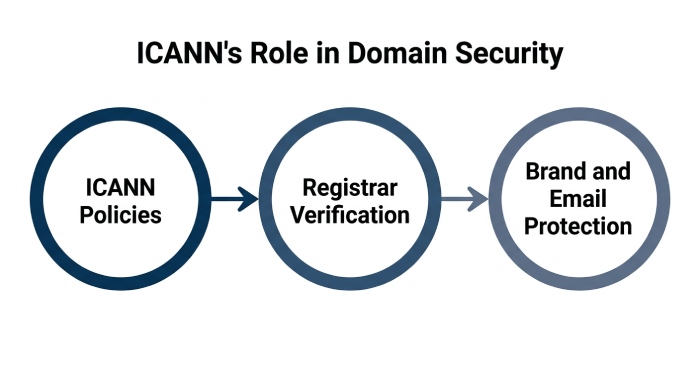
The Internet Corporation for Assigned Names and Numbers (ICANN) oversees domain registration policies and ensures that domain ownership records remain accurate and reliable. ICANN-accredited registrars are required to collect and verify domain registration information to maintain the integrity of the domain ecosystem.
Accurate domain ownership records are critical for businesses that rely on email authentication technologies to protect their brand and email reputation.
What Is WHOIS Verification?
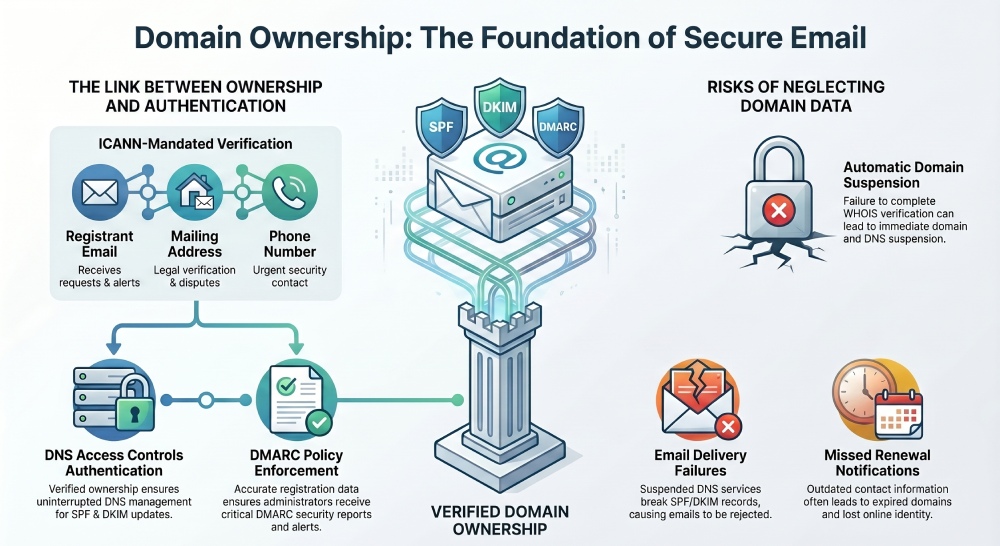
WHOIS verification is a process that confirms the contact information provided during domain registration. Registrars typically verify details such as:
- Registrant name
- Email address
- Phone number
- Mailing address
The verification process helps ensure that domain owners can be contacted regarding important domain-related matters, including renewals, security alerts, and ownership disputes.
Why WHOIS Verification Matters for Email Authentication
Email authentication standards such as SPF, DKIM, and DMARC rely on DNS records published under your domain. Maintaining verified ownership of your domain helps ensure uninterrupted access to DNS management, which is essential for:
SPF Record Management
SPF records authorize specific mail servers to send email on behalf of your domain. Losing access to your domain account can prevent updates to SPF records and lead to email delivery issues. Use an SPF checker to confirm your record still authorizes the right senders after any account change. A neglected record can also drift into a PermError from too many lookups, so keep the mechanism count in check.
DKIM Key Management
DKIM uses cryptographic signatures to verify email authenticity. Domain owners must maintain DNS access to publish and rotate DKIM keys when necessary.
DMARC Policy Enforcement
DMARC policies depend on properly configured SPF and DKIM records. Accurate domain ownership information helps ensure administrators receive DMARC reports and security notifications. Feed those aggregate reports into our DMARC report analyzer to spot unauthorized senders quickly.
What Happens After Domain Registration?
Following registration, most registrars send a verification email requesting confirmation of your contact information.
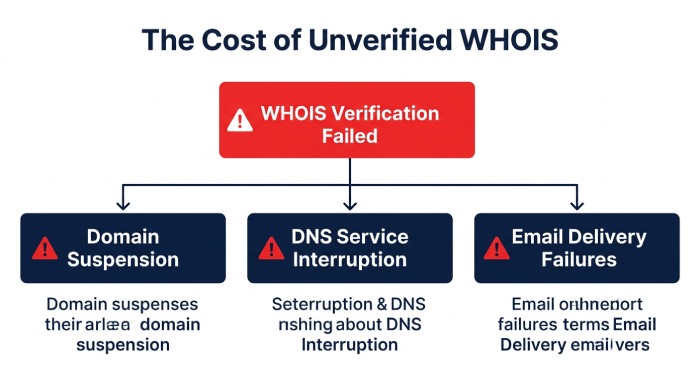
Failure to complete verification may result in:
- Domain suspension
- DNS service interruptions
- Website downtime
- Email delivery failures
For organizations that depend on business email, these disruptions can significantly impact communications and brand reputation.
Keeping Domain Registration Information Up to Date
WHOIS compliance is an ongoing responsibility. Domain owners should update registration details whenever changes occur, including:
- Email address updates
- Phone number changes
- Company name changes
- Physical address updates
Outdated information can cause missed renewal notices, transfer complications, and delayed responses to security incidents.
WHOIS Privacy and Security
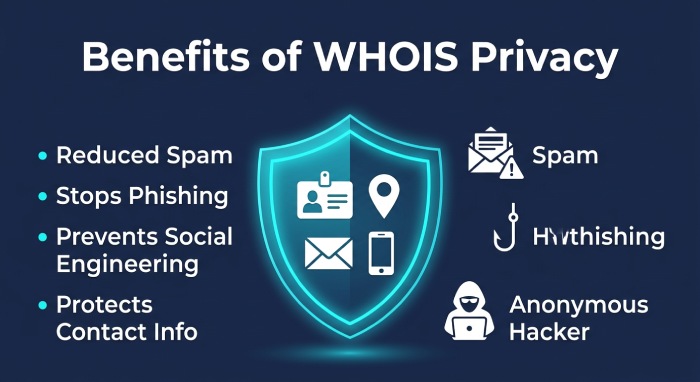 Many registrars offer WHOIS privacy protection services that conceal personal information from public databases while maintaining compliance with ICANN requirements.
Benefits include:
- Reduced spam and phishing attempts
- Enhanced privacy protection
- Lower risk of social engineering attacks
- Protection of sensitive contact information
Common Domain Management Mistakes
- Using an Inactive Email Address: Verification requests and security notifications may never reach the domain owner.
- Neglecting DNS and Email Authentication Records: Domains should be regularly reviewed to ensure SPF, DKIM, and DMARC records remain accurate and aligned with authorized email services.
- Failing to Enable Account Security Features: Strong passwords and multi-factor authentication help protect domain registrar accounts from unauthorized access.
- Ignoring Renewal Notices: Expired domains can disrupt websites, email services, and authentication records.
Best Practices for Maintaining Domain and Email Security
To protect your domain and email infrastructure:
- Verify WHOIS information promptly after registration.
- Review registration records regularly.
- Enable registrar account two-factor authentication.
- Monitor DNS changes and account activity.
- Keep SPF records updated as email providers change.
- Regularly review DKIM configurations.
- Implement and monitor DMARC policies, and check your DMARC record periodically to confirm it remains valid.
Final Thoughts
WHOIS verification and ICANN compliance are more than simple administrative obligations—they are essential components of domain protection and email security. Maintaining accurate domain registration details and securing ownership information helps organizations preserve the integrity of their email infrastructure, support SPF, DKIM, and DMARC authentication, and protect their brand identity, sender reputation, and overall online presence from abuse and impersonation attacks.
General Manager
General Manager of DuoCircle. Product strategy and commercial lead for AutoSPF's 2,000+ customer base.
LinkedIn Profile →