Generative artificial intelligence and machine learning are overcoming the limitations of traditional cybersecurity measures

Quick Answer
Threat actors are leveraging the speed and accuracy of artificial intelligence to launch sophisticated, difficult-to-detect cyberattacks. AI has enabled them to generate malware or malicious software that transforms to dodge security filters as well as the human eye. According to a report released by Deep Instinct, 75% of security professionals were targets of cyberattacks in 2023, and 85% of them.
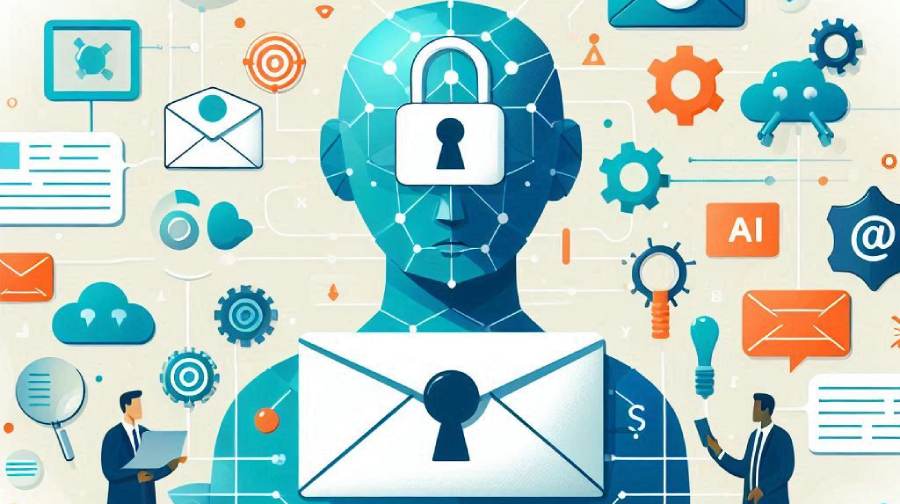
Threat actors are leveraging the speed and accuracy of artificial intelligence to launch sophisticated, difficult-to-detect cyberattacks. AI has enabled them to generate malware or malicious software that transforms to dodge security filters as well as the human eye.
According to a report released by Deep Instinct, 75% of security professionals were targets of cyberattacks in 2023, and 85% of them were driven by generative artificial intelligence. Sadly, traditional cybersecurity tools and techniques like antivirus, access control, intrusion detection and prevention, firewalls, etc., fall short in front of sophisticated cyberattacks. But you know what can detect AI-powered cyberattacks? Well, it’s AI only.
Yes, you can also leverage the speed and accuracy of artificial intelligence and pair it up with machine learning to ascertain cyber threats looming over your work ecosystem or even your personal life.
There are machine-learning-powered security tools and systems that analyze patterns and acquire knowledge to detect and prevent similar attacks and respond to changing user behavior. However, machine learning can play its role in cybersecurity only if the underlying data is extensive and accurate enough to offer a complete picture of your ecosystem.
AI’s role in cybersecurity
The technical landscape is ever-evolving, and now AI is its current element of interest. It’s both the cause and preventive measure of modern cyberattacks. Let’s see how it’s been integrated into systems to overcome the limitations of traditional cybersecurity measures.
AI-specific threat detection
AI can analyze vast amounts of data to identify abnormal behavior and malicious activity. It can detect anomalies, isolate compromised machines, and halt attacks in real-time.
Real-time continuous monitoring
AI can continuously monitor IoT devices and edge networks to detect intrusions, identify fake users, mitigate attacks, and quarantine infected devices. This constant assessment enhances the trustworthiness of devices, users, and applications, enabling immediate responses to potential threats and reducing the time to identify fraudsters.
Spam and phishing email detection
AI uses data analysis and algorithms to identify spam and phishing emails by examining message content and context for warning signs. Continuous monitoring of email communications helps analyze links and attachments, improving detection and response to phishing attacks. Authentication basics still matter too; reviewing an SPF record example shows how domains declare their legitimate senders.

Strong security community
A robust security community is crucial for combating AI-enhanced cyberattacks. Sharing information, best practices, and threat intelligence with other cybersecurity professionals and experts helps maintain resilience against evolving AI-related security risks.
Advanced malware identification
AI strengthens its ability to identify advanced malware as it processes more samples. Deep learning AI optimizes malware protection strategies by increasing the quantity and accuracy of data analyzed.
AI in authentication
AI improves authentication processes by detecting and responding to threats in real time throughout a user’s session. For instance, if a user’s behavior changes significantly, such as accessing sensitive information from a new location or device, AI can prompt for identity verification. On the email side, understanding how SPF mechanisms work complements these AI-driven checks.
Breach risk prediction
AI can predict where organizations are most likely to be breached, allowing for better resource allocation and tool deployment to areas of weakness and enhancing overall security posture.
Please note that installing AI-powered cybersecurity tools isn’t sufficient; you also need to practice cyber hygiene, email security, and internet maturity. Getting the SPF syntax right on your domain is a foundational part of that hygiene. Human intelligence and computer capabilities go hand in hand when it comes to shunning cybersecurity threats.
Topics
General Manager
General Manager of DuoCircle. Product strategy and commercial lead for AutoSPF's 2,000+ customer base.
LinkedIn Profile →